Showing posts with label farming. Show all posts

Monday, October 23, 2017

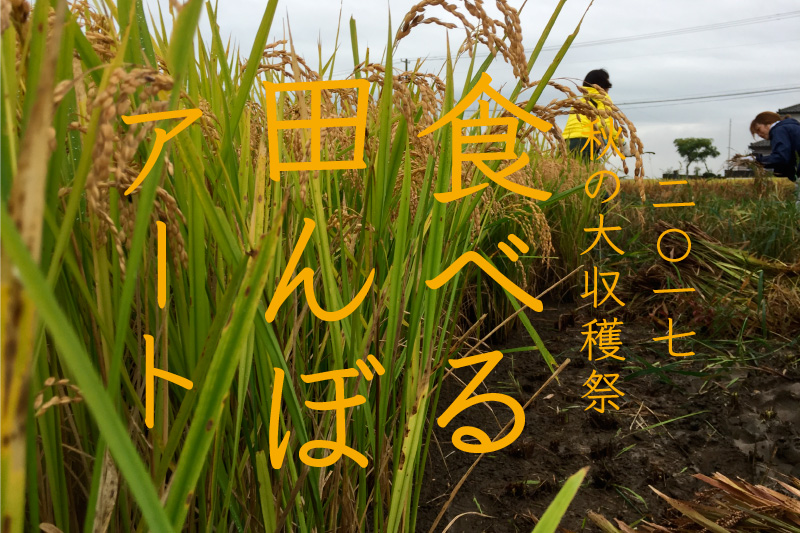
Soma Tambo Art Project: The Harvest

Image courtesy of Soma Tambo Art

I can't even begin to say how excited I am to be going up to Soma this weekend to help with the rice harvest there. The food and company will be more than excellent, and the work will be highly satisfying. I should also mention that the onsen is pretty spectacular, too. Don't miss the chance to go! (Deadline Tuesday, October 24!)


Thursday, August 10, 2017

Thursday Snapshot: Celebrating Obon

An Obon tradition.

A few years ago we took a bicycle trip around Fukushima Prefecture and stopped in to visit a farmer friend there. She and her family graciously invited us to stay with them during the Obon season, and we enjoyed helping on the farm and getting to know them. It remains one of my fondest memories.

What was also very special was that she invited us to participate in a small ritual associated with the holiday. The Obon holiday marks a time when the spirits of the ancestors return to visit their family for three days. It is a very special time, and one of the few times of the year where people get a handful of days off from work in a row. Most people return to their ancestral homelands, and the trains, highways, and buses leaving from Tokyo are as full, I imagine, as the universe is of people streaming back to where they originally come from.

After chores and before dinner one night, we walked with our friend to the family cemetery at dusk to welcome the ancestors home.  She lit the candles inside the lanterns we held in front of us on small sticks, their paper shells glowing pink and blue and white, the irises painted on the outside glowing brightly. We swung them in a circular motion over the gravestones of her ancestors three times and said "Namu amida Dabutsu" ("I take refuge in Amida Buddha" is a rough translation.) with each swing.

We repeated this process at three different graves, and each time she explained to us who the person was, how long they lived, and often what we had seen on her farm that they had built or used. She also explained that one day her name would also be written on one of these stones when she died. It was, I thought, a beautiful way to remember the people who had come before, but also to remember who you were.

Friday, July 28, 2017

Tokyo and Yokohama Regional Markets: Saturday, July 29 and Sunday, July 30

Tasty treats await!

Even as gray clouds linger, it seems no rain is particularly interested in falling. My garden is dry as the day is long. A little tender care, though, goes a long way in keeping the harvest going. Tomatoes, cucumbers, and even a few stray greens are still coming in along with a bountiful harvest of tsurumurasaki. The markets, however, will be overflowing and worth a visit to reward yourself with yummy seasonal treats and the farmer with some well-earned praise for their efforts in the fields. Enjoy!

Kamome Marche
Saturday, July 29
Set on the upper level of the Yokohama Bay Quarter, this little market offers nice variety given its size. Vendors from Yamanashi, Yokohama, and other parts of Kanagawa brave the steady ocean breeze and offer everything up from fruit to wine to fresh vegetables.
11am - 5pm
Map

Kamakura Farmers Market
Every day
This market is an absolute treasure of a small local affair featuring Kamakura heirloom fruits and vegetables raised in or nearby another one of Japan's former capitals. Head in early to get the best selection and pick up a loaf of Paradise Alley's charcoal-infused bread while you're there. They also make an excellent cup of coffee.
7am until sold out
Map

Ebisu Market
Every Sunday
A small handful of years ago, the Ebisu Market became a weekly Sunday event. Part of the original Marche Japon movement, this market carries on with a nice selection of regional farmers, seasonal veg, baked goods, and the addition of arts and crafts. It does bill itself as all organic, and there are some; however, I recommend asking vendors to be sure. I also recommend a trip to Afuri Ramen to fortify yourself with some of the best yuzu tsukemen in town.
11am to 5pm
Map

UN University Market
Every Saturday and Sunday
A massive weekend affair that started out as the flagship market for Marche Japon busted out on its own a few years back. Now one of the most happening places on the weekend, the market features a variety of fruits and vegetables and prepared products from all over Japan. Winter vegetables can be found here, but produce offerings do vary in amount by season. There is a most excellent selection of food trucks whipping up everything from salad to zingy curry to roast chicken and falafel! Oh, and don't forget the craft beer truck, too!
10am to 4pm
Map

Hills Marche Farmers Market
Every Saturday
The Hills Marche Farmers Market in Roppongi is perhaps one of the best things going in this part of Tokyo. Originally created to serve residents of the nearby high-rise, it is a bountiful and booming event. Don't miss the chance to meet a grower from Tokyo's very own Kokobunji, take in a little music, and sample a variety of other seasonal delights.
10am to 4pm
Map

Yurakucho Farmers Market
Every Saturday and Sunday
Smaller than the UNU Market, the Yurakucho Market takes its cue from the antenna shops located nearby and features a particular region of Japan each week along with an excellent selection of seasonal fruit and vegetables. Growers from nearby Chiba, Kamakura, and Saitama do come weekly, though, with some excellent treats.
11am to 5pm
Directions: Turn left out of Yurakucho Station and cross the courtyard toward Tokyo Kouku Keitan. Look for the fun under the overhang!

Know of a market? Give me a shout, and I'll add it to the list!
Monday, May 15, 2017

Tambo Art: Help Plant a Painting

Planting rice during the Soma Tambo Art Project.

If there is one thing that is worth experiencing in Japan, it is planting rice by hand. There is nothing so exciting, exhilarating or wonderful as stepping into a rice field, seedlings in hand, and setting them in the soft, silty soil. I know I'm a farmer and all that, but rice, it's planting, harvest, eating, and by-products are integral to Japanese culture. A staple part of the Japanese diet, nuka (the bran from polishing rice) is used to ferment vegetables for pickles and help feed the soil of rice fields. Momigara (rice hulls) makes an excellent mulch for fields or compost ingredient. Wara (rice straw) is an important source of silica for rice fields, is part of the traditional process for making natto, and is another excellent mulch for fields as well as a material for weaving.

Most farmers don't plant by hand any more, but for events like the Tambo Art Projects in Chiba and Fukushima, it is a chance to glimpse, however briefly, the way rural communities used to work. It is also a chance to get dirty, eat good food in the company of excellent folks, and explore parts of the country that don't make it into travel guides.

There is still time to register for and sink your toes in the mud in Chiba this weekend!

Friday, March 17, 2017

Tokyo and Yokohama Regional Farmers Markets: Saturday, March 18th and Sunday, March 19th

St. Paul Farmers Market

Outside the window here where I'm staying in the US a fine snow is falling even as the robins sing. Crocuses and daffodils sprout here and there, and farmers and gardeners all around gaze longingly at their seedlings and seed catalogs waiting for the weather to turn. Back home in Japan, though, I know the temperatures may be cold, but potatoes and other hearty spring vegetables are already busy literally getting down to the business of growing. Head on out to one of these great markets to meet a few of the earliest ones and get a taste of the season!

Kichijoji Harmonica Yokocho Asaichi
Sunday, March 19th
Early birds on Tokyo's west side should count themselves lucky to find this little market in the warren of shops just north of the station. While fruits and veg are a bit lacking, the market is big on craftsmen and women doing interesting work, excellent baked goods, miso, rice, and other tasty treats. It's worth noting that a number of places offer breakfast deals in the market!
7am - 10am

Koenji Farmers Market
Saturday, March 18th
Spotted a handful of years ago while riding the Chuo Line, this little market is still going strong. A circle of red awnings in front of the Za-Koenji Public Theatre marks the spot where friendly folks with good food and interesting stories await.
11am - 5pm
Map

Nippori Farmers Market
Saturday, March 18th and Sunday, March 19th
This charming market in the heart of old Tokyo abounds with a sense of community and friendliness as well as good food. Small but lively, particularly on Saturday, it features a monthly geographical theme although regular vendors include Tohoku growers and some of the best steamed manju in the world.
No map, but just head out the East Exit and look for the green awnings
10am to 5pm

Yokohama Kitanaka Marche
Saturday, March 18th and Sunday, March 19th
One of the best markets going in the Yokohama area, and it's perhaps no coincidence that they are only moments away from Baird Beer's Bashamichi Taproom. Started by the same folks who created the Market of the Sun, the Kitanaka Marche to be growing steadily with tasty offerings of fresh seasonal veg, fruit, baked goods and preserves. Read my other review over at Outdoor Japan's Traveler Magazine for the full scoop.
10am to 4pm
Bashamichi Station, Exit 2*
Note that the market has moved, so come out of the station, turn right, and take the next right turn. Keep walking past the construction site and keep an eye out for the white tents running along next to the river.

Oiso Farmers Market
Sunday, March 19th
This little gem of a community shindig is one of the best things going outside of the Earth Day Market. Started a handful of years ago, it blossomed into a full-on monthly festival that just happens to feature Shonan area produce in its fresh, seasonal form as well as pickled, dried, and prepared-hot-in-a-bowl varieties. In summer, it transforms into a night market, while year-round a much smaller version takes place every Saturday. Lee's Bread alone is worth the journey. Read my full review at Outdoor Japan's Traveler Magazine.
10am to 12pm
Oiso Port Building

Kamakura Farmers Market
Every day
This market is an absolute treasure of a small local affair featuring Kamakura heirloom fruits and vegetables raised in or nearby another one of Japan's former capitals. Head in early to get the best selection and pick up a loaf of Paradise Alley's charcoal-infused bread while you're there. They also make an excellent cup of coffee.
7am until sold out
Map

Ebisu Market
Every Sunday
A small handful of years ago, the Ebisu Market became a weekly Sunday event. Part of the original Marche Japon movement, this market carries on with a nice selection of regional farmers, seasonal veg, baked goods, and the addition of arts and crafts. It does bill itself as all organic, and there are some; however, I recommend asking vendors to be sure. I also recommend a trip to Afuri Ramen to fortify yourself with some of the best yuzu tsukemen in town.
11am to 5pm
Map

Futamatagawa Farmers Market - Yokohama
Every Friday
A charming little weekly market tucked conveniently just outside the turnstile at Futamatagawa Station in Yokohama where a nice selection of fresh, seasonal fruits and vegetables await. Joining them are baked goods, rice, miso, and other the fixings one might need for the week or just a good snack. Plenty of Kanagawa goodies, of course, so be sure to ask!
10am to 6pm
Look for the tables when you step out the gate!

UN University Market
Every Saturday and Sunday
A massive weekend affair that started out as the flagship market for Marche Japon busted out on its own a few years back. Now one of the most happening places on the weekend, the market features a variety of fruits and vegetables and prepared products from all over Japan. Winter vegetables can be found here, but produce offerings do vary in amount by season. There is a most excellent selection of food trucks whipping up everything from salad to zingy curry to roast chicken and falafel! Oh, and don't forget the craft beer truck, too!
10am to 4pm
Map

Hills Marche Farmers Market
Every Saturday
The Hills Marche Farmers Market in Roppongi is perhaps one of the best things going in this part of Tokyo. Originally created to serve residents of the nearby high-rise, it is a bountiful and booming event. Don't miss the chance to meet a grower from Tokyo's very own Kokobunji, take in a little music, and sample a variety of other seasonal delights.
10am to 4pm
Map

Yurakucho Farmers Market
Every Saturday and Sunday
Smaller than the UNU Market, the Yurakucho Market takes its cue from the antenna shops located nearby and features a particular region of Japan each week along with an excellent selection of seasonal fruit and vegetables. Growers from nearby Chiba, Kamakura, and Saitama do come weekly, though, with some excellent treats.
11am to 5pm
Directions: Turn left out of Yurakucho Station and cross the courtyard toward Tokyo Kouku Keitan. Look for the fun under the overhang!

Know of a market? Give me a shout, and I'll add it to the list!

Friday, March 3, 2017

March Farmers Markets in Tokyo and Yokohama


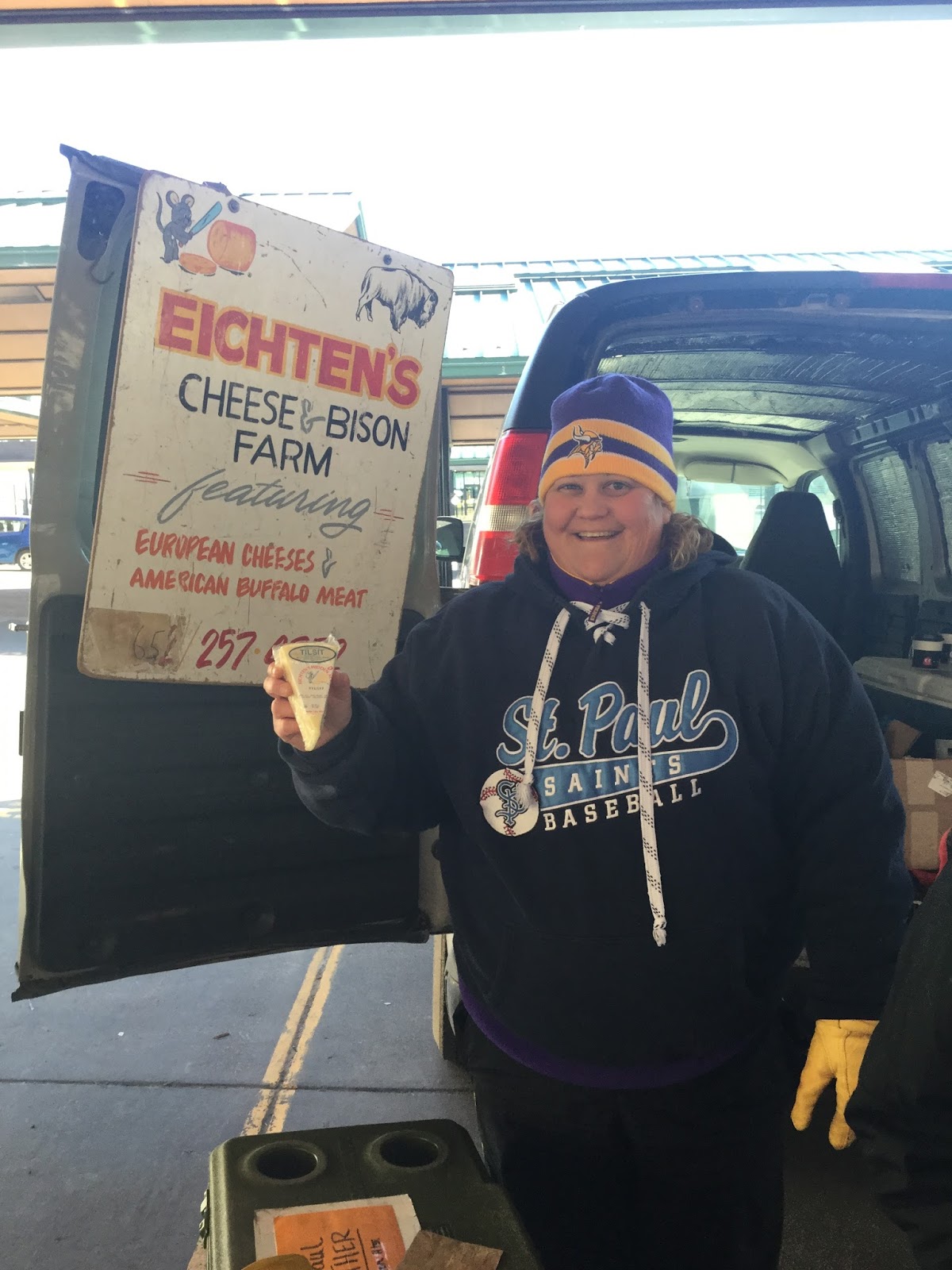
Eichten's Cheese has been at St. Paul's Farmers Market for four generations.
(Try the Tilsit!)

Whether in like a lamb or a lion, March is a swing month in terms of weather and crops. The potatoes here are long since in and the onions are coming into the own. The garlic, too, is not exactly bursting at the seams, but those stems are thick and fat. Farmers minds are turning to planting and the busy season ahead even as they come to market with a selection of winter vegetables. It's a good month, then, to think about growing and changing, talking to fellow gardeners and your neighborhood farmer about what's on the agenda for the months to come. Head on out to one of these great markets, and get that conversation started!

Earth Day Market
Sunday, March 5th
I could wax on forever about how great this market is and how important it is for the future of Japanese farming and global food security. However, I'll just insist that folks go and see for themselves what great things the market and these innovative growers are doing. Come find some good food and fun!
10am to 4pm, Rain or shine
Map

Greenmarket Sumida
Saturday, March 4th and Sunday, March 5th
Just over the bridge from Senso-ji is the newest market in the heart of the city. A collaborative effort between the local government and the same folks who manage Market of the Sun and Yokohama's Kitanaka Marche, Greenmarket Sumida aims to fill the supermarket gap in this old neighborhood. An excellent selection of food trucks nourish weary shoppers while the Beer Truck is often on hand to slake their thirst.
10am to 4pm
Asakusa Station
Exit the station and cross the river towards the Asahi Building. Turn left and follow the path to the pocket park on the right.

Market of the Sun
Saturday, March 11th and Sunday, March 12th
The newest of Tokyo's farmers markets at two years old, Market of the Sun (a.k.a. Taiyo Marche), professes to be one of the largest. A short walk from Tsukiji Market and its wonderful surrounds, this market is worth a visit for its lovely selection of foodly and crafty items that rivals the goodies found at the UNU Market.
10am to 4pm
Step out of Kachidoke Station at Exits A4a or A4b and look for the tents.

Kichijoji Harmonica Yokocho Asaichi
Sunday, March 19th
Early birds on Tokyo's west side should count themselves lucky to find this little market in the warren of shops just north of the station. While fruits and veg are a bit lacking, the market is big on craftsmen and women doing interesting work, excellent baked goods, miso, rice, and other tasty treats. It's worth noting that a number of places offer breakfast deals in the market!
7am - 10am

Koenji Farmers Market
Saturday, March 18th
Spotted a handful of years ago while riding the Chuo Line, this little market is still going strong. A circle of red awnings in front of the Za-Koenji Public Theatre marks the spot where friendly folks with good food and interesting stories await.
11am - 5pm
Map

Nippori Farmers Market
Saturday, March 18th and Sunday, March 19th
This charming market in the heart of old Tokyo abounds with a sense of community and friendliness as well as good food. Small but lively, particularly on Saturday, it features a monthly geographical theme although regular vendors include Tohoku growers and some of the best steamed manju in the world.
No map, but just head out the East Exit and look for the green awnings
10am to 5pm

Yokohama Kitanaka Marche
Saturday, March 18th and Sunday, March 19th
One of the best markets going in the Yokohama area, and it's perhaps no coincidence that they are only moments away from Baird Beer's Bashamichi Taproom. Started by the same folks who created the Market of the Sun, the Kitanaka Marche to be growing steadily with tasty offerings of fresh seasonal veg, fruit, baked goods and preserves. Read my other review over at Outdoor Japan's Traveler Magazine for the full scoop.
10am to 4pm
Bashamichi Station, Exit 2*
Note that the market has moved, so come out of the station, turn right, and take the next right turn. Keep walking past the construction site and keep an eye out for the white tents running along next to the river.

Oiso Farmers Market
Sunday, March 19th
This little gem of a community shindig is one of the best things going outside of the Earth Day Market. Started a handful of years ago, it blossomed into a full-on monthly festival that just happens to feature Shonan area produce in its fresh, seasonal form as well as pickled, dried, and prepared-hot-in-a-bowl varieties. In summer, it transforms into a night market, while year-round a much smaller version takes place every Saturday. Lee's Bread alone is worth the journey. Read my full review at Outdoor Japan's Traveler Magazine.
10am to 12pm
Oiso Port Building


Kamakura Farmers Market
Every day
This market is an absolute treasure of a small local affair featuring Kamakura heirloom fruits and vegetables raised in or nearby another one of Japan's former capitals. Head in early to get the best selection and pick up a loaf of Paradise Alley's charcoal-infused bread while you're there. They also make an excellent cup of coffee.
7am until sold out
Map

Ebisu Market
Every Sunday
A small handful of years ago, the Ebisu Market became a weekly Sunday event. Part of the original Marche Japon movement, this market carries on with a nice selection of regional farmers, seasonal veg, baked goods, and the addition of arts and crafts. It does bill itself as all organic, and there are some; however, I recommend asking vendors to be sure. I also recommend a trip to Afuri Ramen to fortify yourself with some of the best yuzu tsukemen in town.
11am to 5pm
Map

Futamatagawa Farmers Market - Yokohama
Every Friday
A charming little weekly market tucked conveniently just outside the turnstile at Futamatagawa Station in Yokohama where a nice selection of fresh, seasonal fruits and vegetables await. Joining them are baked goods, rice, miso, and other the fixings one might need for the week or just a good snack. Plenty of Kanagawa goodies, of course, so be sure to ask!
10am to 6pm
Look for the tables when you step out the gate!

UN University Market
Every Saturday and Sunday
A massive weekend affair that started out as the flagship market for Marche Japon busted out on its own a few years back. Now one of the most happening places on the weekend, the market features a variety of fruits and vegetables and prepared products from all over Japan. Winter vegetables can be found here, but produce offerings do vary in amount by season. There is a most excellent selection of food trucks whipping up everything from salad to zingy curry to roast chicken and falafel! Oh, and don't forget the craft beer truck, too!
10am to 4pm
Map

Hills Marche Farmers Market
Every Saturday
The Hills Marche Farmers Market in Roppongi is perhaps one of the best things going in this part of Tokyo. Originally created to serve residents of the nearby high-rise, it is a bountiful and booming event. Don't miss the chance to meet a grower from Tokyo's very own Kokobunji, take in a little music, and sample a variety of other seasonal delights.
10am to 4pm
Map

Yurakucho Farmers Market
Every Saturday and Sunday
Smaller than the UNU Market, the Yurakucho Market takes its cue from the antenna shops located nearby and features a particular region of Japan each week along with an excellent selection of seasonal fruit and vegetables. Growers from nearby Chiba, Kamakura, and Saitama do come weekly, though, with some excellent treats.
11am to 5pm
Directions: Turn left out of Yurakucho Station and cross the courtyard toward Tokyo Kouku Keitan. Look for the fun under the overhang!

Know of a market? Give me a shout, and I'll add it to the list!

Monday, September 19, 2016

Rice Harvest for Sammu Tambo Art This Weekend!

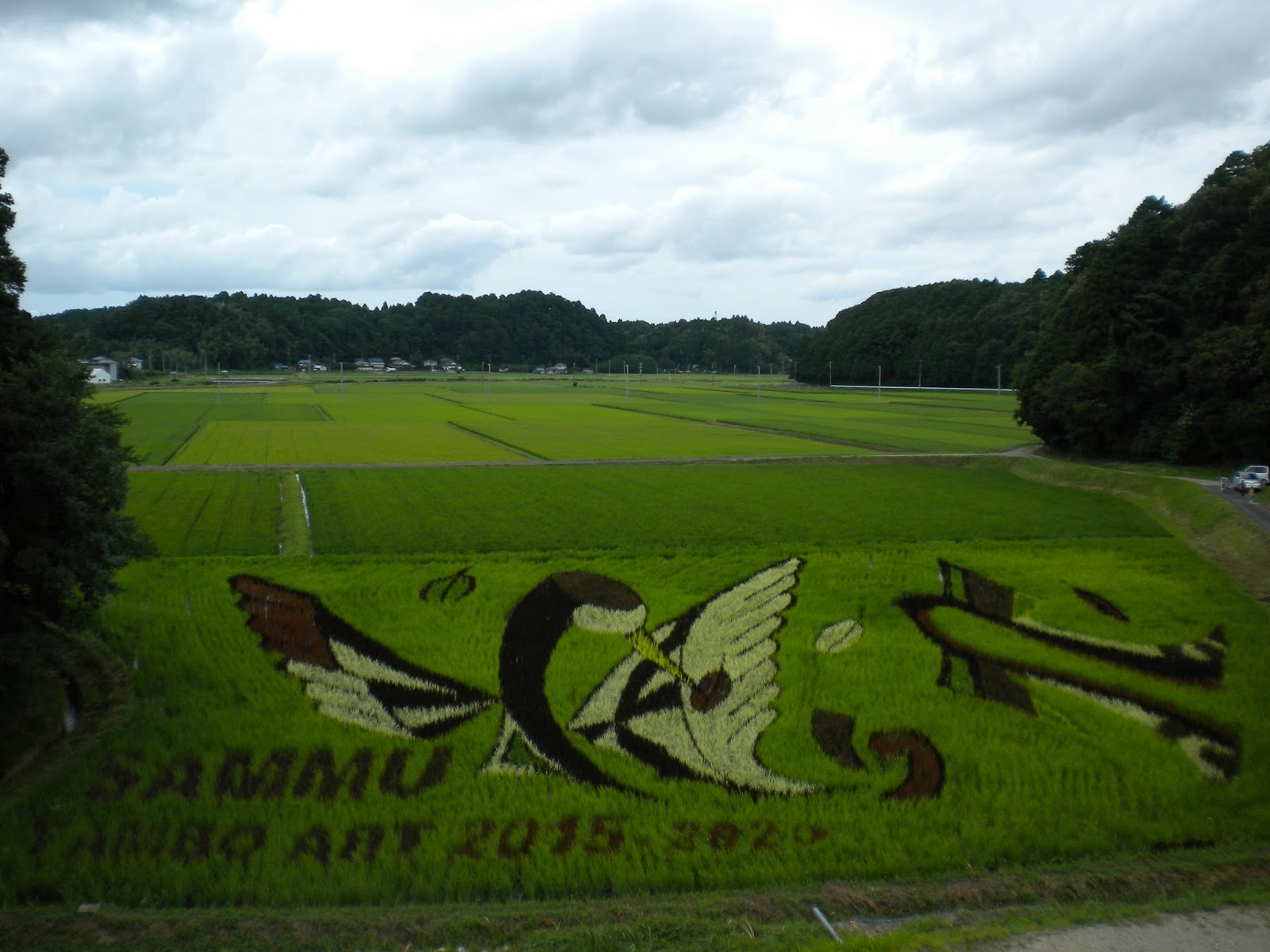
This is the 2015 design.
You'll just have to go out there, eat the kimchi, and see this year's for yourself!
Farmers make good friends, and they make good community members. Nagisa and Tomohito Minowa are no exception, and for the second year in a row they are working with other fantastic members of their town on a tambo (rice field) art project. They are having loads of fun with it, and this weekend's event promises to be one of the best yet. Here is my article about their first project and the other great stuff happening with the Minowa's, Tambo Art, and Soma.

Register quick and then head on out to one of the prettiest and most fun places in Chiba for a great time and amazing lunch. (Try the kimchi. It's seriously the best ever.)

Sammu Tambo Art Harvest Festival
Saturday, September 24th
9am - 3pm
2,000 yen (includes lunch and tons of fun)
Register here.

Friday, August 5, 2016

August Farmers Markets in Tokyo and Yokohama

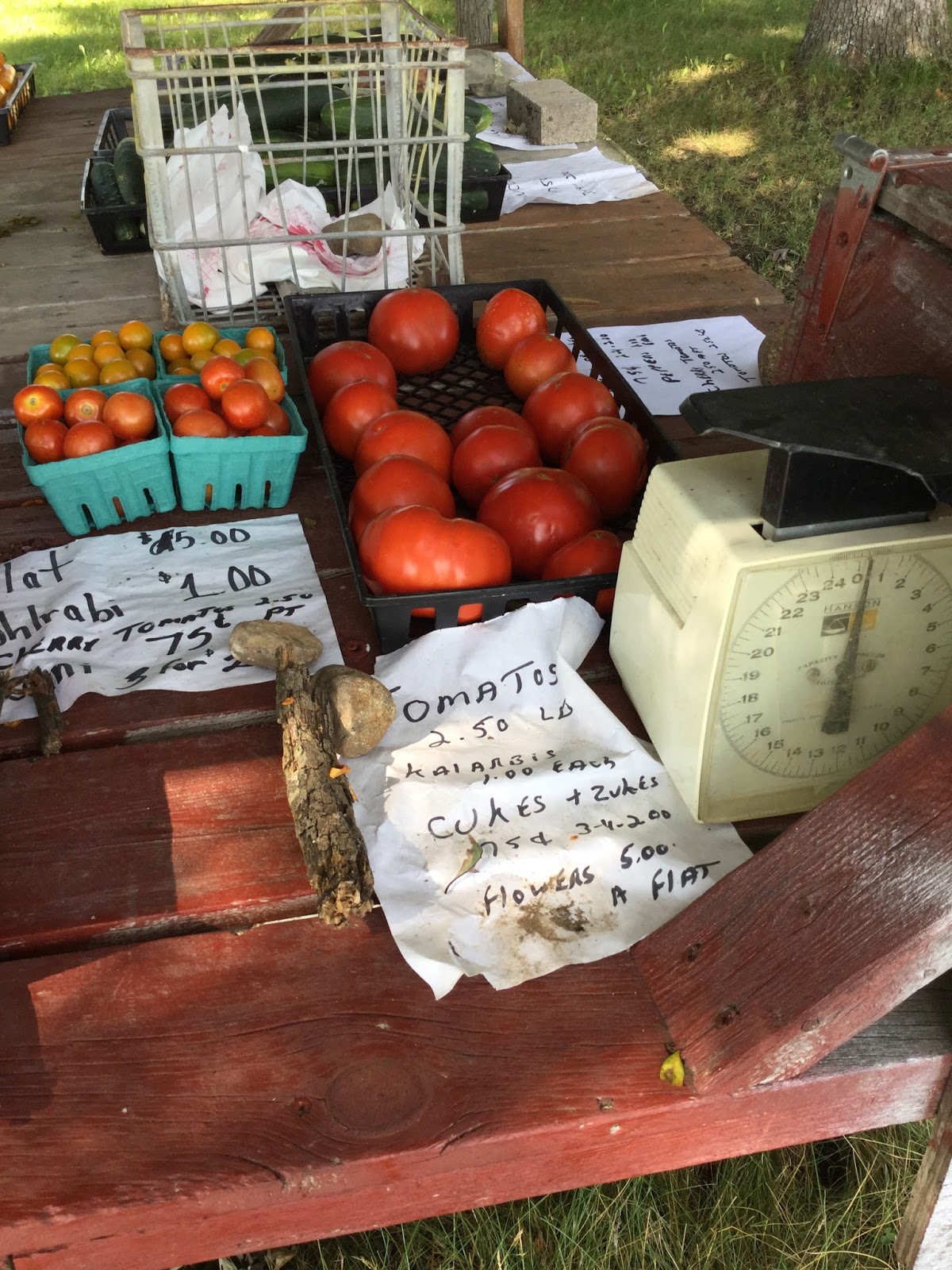
Fresh veg at my first US chokubaijo!
Montello, Wisconsin

Summer is upon us in all its hot and humid glory. Pick up ingredients for a cool summer meal or tasty beverage (child-friendly or adult) to help keep things cool. Summer crops - tomatoes, goya, eggplant, cucumbers, and onions - abound, and can be paired with all that fresh garlic that should just be emerging from its long slumber now. Do be careful of odd market dates and times as Obon is upon us. Check websites before you go and enjoy!

Sunday, August 7th
I could go wax on forever about how great this market is and how important it is for the future of Japanese farming and global food security. Instead, I'll just insist that folks go and see for themselves what great things the market and these innovative growers are doing. Come find some good food and fun and enjoy!
10am to 4pm, Rain or shine!

Saturday, August 6th**
**Hold on! This month the market is only one day and in a new location. Check out their Facebook page to get directions and see who will be there with what treats!
The newest of Tokyo's farmers markets at two years old, Market of the Sun professes to be one of the largest, and this month looks to be all about the grape. A short walk from Tsukiji Market and its wonderful surrounds, it's worth a stop for a selection of foodly and crafty items that rivals that at the UNU Market.
9:30am to 5pm
**Lalaporte Tokyo Bay (Here's the link to get you to good veg!)

Saturday, August 20th
A new market I spotted while riding the train a few years ago on a Saturday morning into the city center is still going strong. That circle of red awnings in front of the Za-Koenji Public Theatre could only mean one thing! Sure enough, I found a small group of area growers and producers, and the bounty surely continues!
11am - 5pm

Saturday, August 20th and Sunday, August 21st
Another great market in the city found with a little help from friends, this one is sure to not disappoint. A small but lively market, particularly on Saturday, it is well worth the trip. Plus, Tohoku growers are on hand sharing their best-of-the-best, so come on out to be part of the recovery and get something good to eat.
No map, but just head out the east exit and look for the green awnings!
10am to 5pm

Saturday, August 20th and Sunday, August 21st
A brand new market opening this month in Yokohama that looks quite promising. Their Facebook page says the Market of the Sun folks decided to start it up, so it could be good. I'll be visiting to check it out!
10am to 4pm
Bashamichi Station, Exit 2


Sunday, August 21st**
This little gem of a community shindig is one of the best things going outside of the Earth Day Market, and I don't say that lightly. A nice little community affair started a handful of years ago, it blossomed into a full-on monthly festival that just happens to feature Shonan area produce in its fresh, seasonal form as well as pickled, dried, and prepared-hot-in-a-bowl. In summer it turns into a night market, but in fall it will swing back to regular daylight hours. More than worth the trek down to see what's going on!
**5pm to 8pm
Oiso Port Building

Every day
A small local affair featuring Kamakura heirloom fruits and vegetables raised in yet another former capital city, the Kamakura Market is a small but wonderful venue. Head in early to get the best selection and pick up a loaf of Paradise Alley's charcoal infused bread while you're there.
7am until sold out

Every Sunday
Ebisu Market management are going all-out this month and hosting a market every Sunday. They've been recruiting more staff and hunting up vendors, so head on out to be part of the action. A recent visit showed this always lovely market remains charming as ever with an excellent selection of seasonal fruits and vegetables, scrumptious looking snacks, and crafty items. I'd also recommend a trip to Afuri Ramen when you're done for some of the best yuzu tsukemen in town.
11am to 5pm

Every Friday
A charming little weekly market tucked conveniently just outside the turnstile at Futamatagawa Station in Yokohama where a nice selection of fresh, seasonal fruits and vegetables await. Joining them are baked goods, rice, miso, and all the other fixings one might need for the week or just a good snack. Plenty of Kanagawa goodies, too, so be sure to ask!
10am to 6pm
Look for the tables when you step out the gate!

Every Saturday and Sunday
A massive weekend affair that is great fun and features a variety of fruits and vegetables and prepared products from all over Japan. Plus, there's a most excellent selection of food trucks offering everything from salad to zingy curry to roast chicken to falafel!
10am to 4pm

Every Saturday
Back up and running after a refurbishment of the market space, the Roppongi Farmers Market is as booming and bountiful as ever. Don't miss this chance to meet a grower from Tokyo's very own Kokobunji and sample seasonal bounty.
10am to 4pm (Usually. Do check their website for schedule fluctuations.)

Every Saturday and Sunday
Smaller than the UNU Market, Yurakacho features a particular region of Japan each week along with an excellent selection of seasonal fruit and vegetables. Growers from nearby Chiba, Kamakura, and Saitama are also on hand to help fill the larder.
11am to 5pm
Directions: Turn left out of Yurakacho station and cross the courtyard toward Tokyo Kouku Keitan. Look for the fun under the overhang!

Know of a market? Give me a shout and we'll add it to the list!
Monday, July 25, 2016

My essay in A Cup of Culture and a Pinch of Crisis: Tales from a Small Planet: The Food Edition

Takashi and C-chan Arai on the farm.
I am so very pleased to announce that my essay, "Growing Home in Tokyo", is included in the latest collection of essays from Tales from a Small Planet - A Cup of Culture and a Pinch of Crisis. I wrote, of course, about how I landed on an organic farm in Tokyo and how my years there shaped my experience here. Japan is my second home in great part because of the hours and days spent working side by side with the Arai family. They and their farm are more dear to me than a few paragraphs can express, and that's not even counting all those awesome recipes I learned.

So, please consider buying it or asking your library to buy it. I might mention, too, that it makes a great gift.


Wednesday, May 4, 2016

Interview in the Garden

Haksai in bloom.
Linda Gould, friend and fellow writer, came down to my garden the other day for a chat. The resulting interview is the first in a series of videos she plans to do about ordinary people doing interesting or extraordinary things. I don't feel like I'm either of those, but I'm always glad to talk about food and farming, and even happier to talk with Linda. Hope you enjoy it!

Monday, February 8, 2016

My Review of The New Livestock Farmer at Permaculture Magazine


Rebecca Thistlethwaite wrote one of the best books on farming that I've ever read - Farms with a Future - a few years ago. In that one she offered sound advice for farmers starting out or trying to figure things out. I've given it as a gift, quoted from it, and recommended it.

The same, surely, can be said for her latest, The New Livestock Farmer, out in 2013 from Chelsea Green. (My review of that on is here.) Written with her husband and partner in farming, Jim Dunlop, it, too, offers good advice and inspiration for raising meat successfully and sustainably. Read my review at Permaculture Magazine here, and then buy them both. (Chelsea Green doesn't pay me for these things, by the way, although they do send along review copies.)

Monday, December 21, 2015

Satoimo Mothers: Planning for Spring

The ladies snuggled in for their long winters nap.
The other day while down at the community garden one of my fellow gardeners stopped by. He's always there, and his garden is one that I admire the most. His plants are healthy and happy, and his soil is considerably higher than the surrounding gardens. "Well, I've been gardening here for more than twenty years," was all he said when I commented on it.

That day, though, he had something else in mind. "Do you like satoimo?" he asked, and of course I said yes. This slimy potato, also known as taro, is a nice addition to our diet, and while I haven't always been a fan I appreciate its flavor and texture more now than ever. We walked over to his garden where I stood admiring his daikon and assorted winter greens while he gathered up a bag of the roots.

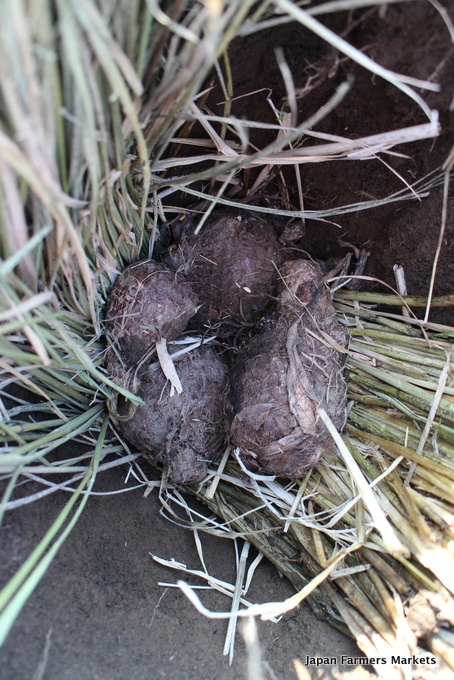
"Would you like to grow it?" he asked, holding up an enormous satoimo for me to examine. Anywhere from two to four times the size of the regular satoimo, this larger version is known as the "mother." If the mother satoimo is kept cool, dry and comfortable throughout the winter, she can be planted in the spring to grow new satoimo. "I have too many. My neighbors," he said gesturing to the other nearby gardens, "run away now when they see me. They know I want to give them satoimo."

I laughed and told him people who grow zucchini often suffer from the same problem. "I'd be happy to help you out," I said.

I dug a hole about 50cm deep at one end of my garden and wrapped the satoimo mothers in wara and covered them back up with soil. Come April, I'll dig them up and replant them for a fresh crop. Next year, I suspect my neighbors may start running away from me...


Monday, December 7, 2015

Mottainai: Rice Straw as Mulch

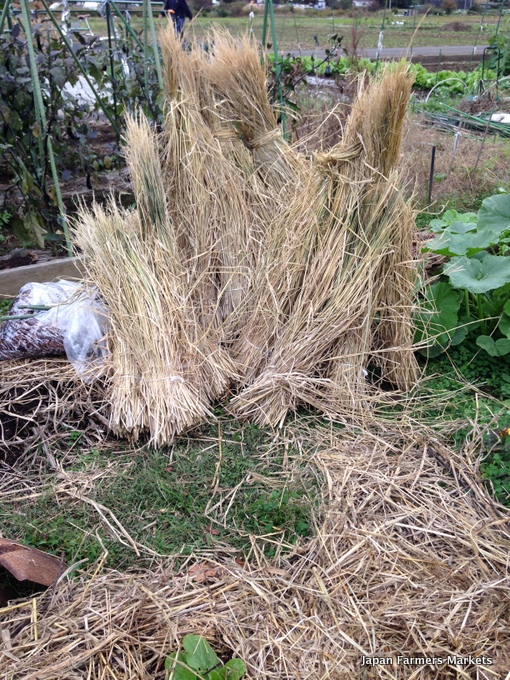
Wara ready and waiting in the garden.
When one of my fellow community garden members mentioned that a nearby rice farmer gave us wara (rice straw) for free, I jumped at the chance to get some. Farmers and gardeners alike have long said to me that wara makes good soil, and so I wasted no time in dashing over to get some.

Traditional rice harvesting practices cut the plants at the base and then hang them to dry on bamboo racks in the fields. Growers like Kazuto Hamma believe that sun-drying intensifies flavor and nutrition while also taking advantage of a naturally available energy source, which is why he and his sister, Erina, sun dry everything from tea to beans to shiitake. Once the rice is dried it is threshed, and the straw is again gathered in bundles, tied, and either hung or stood in groups of four to dry. Modern harvesters are reminiscent of a lawnmower in that finely chopped straw is spewed out behind and left on the field where it will be tilled in in preparation for the next growing season.

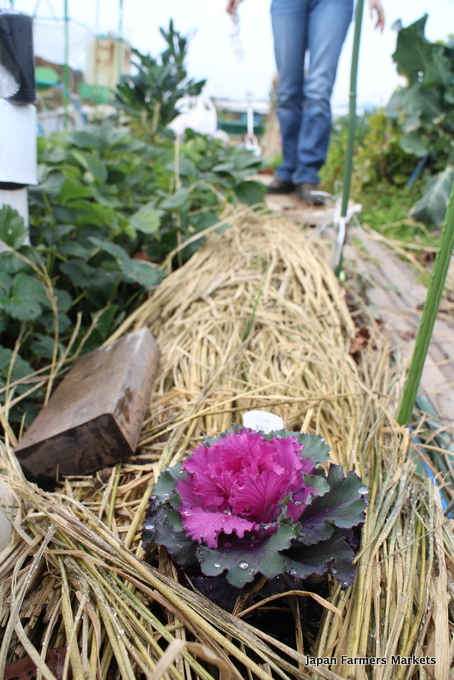
Wara laid snug around habotan (ornamental kale.)
Wara, like straw at home, comes relatively clean and seed free. The long, golden stems lie down flat on top of garden soil and don't get picked up easily by wind making it an excellent mulch. (For the record, I don't believe in bare soil.) They also take a fair amount of time to break down, which means they loiter well through winter rain, sun, and frost.

It also turns out that wara is jam-packed with silica, which helps plants develop strong stems and leaves as well as ward off disease and pests. As the wara breaks down (sheltering and feeding various beneficial creatures in, on, under, and around my garden in the meantime) and is ultimately buried in my no-till practices, that it gives up its silica meaning healthier plants and a better harvest.

Monday, July 6, 2015

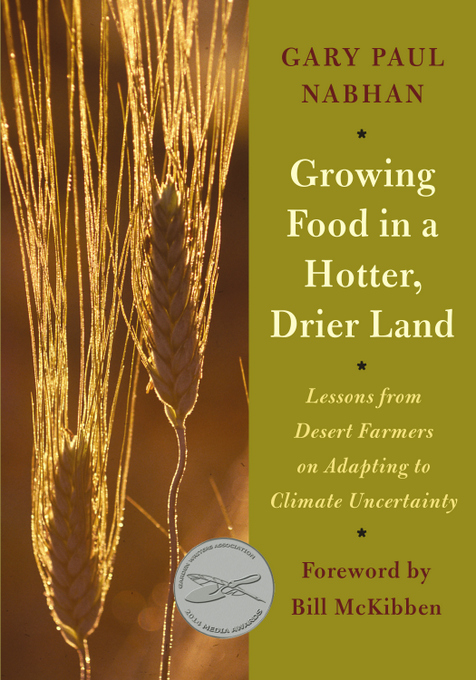
Review: Growing Food in a Hotter, Drier Climate by Gary Nabhan

Cover image via Chelsea Green Publishing to help you find it in the bookstore.

I picked up Gary Nabhan's book, Growing Food in a Hotter, Drier Land: Lessons from Desert Farmers on Adapting to Climate Uncertainty (Chelsea Green, 2013) while doing research for another project. Nabhan, a recognized pioneer in the local-food movement, researcher, and teacher, is a fount of knowledge. This book is just one of 24 he's written covering various angles of the topic food and that doesn't include the countless articles and presentations he's produced as well. I've got one more book on my shelf and my eye on one or two others.

Growing Food in a Hotter, Drier Land is full of straight-talk about climate change and its impacts along with ways to contend with them. Nabhan is quite right in pointing out that our understanding of how to grow food is going to have to change as the climate shifts around us. The news about climate is not uplifting, as we well know, but Nabhan sees plenty of solutions, which makes this a refreshing and inspiring read.

Each chapter outlines a tried and true method (ollas, green curtains, intercropping, nurse plants, and terracing to name just a few), its history, how it works, and, perhaps most importantly, why it works. The methods are fascinating and clever as one might expect for something developed, in may cases, over thousands of years. Their simplicity is as astounding as their effectiveness. Ollas, for example, are unglazed ceramic containers placed underground near the root zone of plants. Filled with water periodically, they slowly release moisture where plants need it most. Other techniques - waffle gardens, bush weirs, and micro-catchments - can be implemented on large or small scales to bring water and nutrients where they can be used most effectively.

Nabhan also puts forward in each chapter an excellent list of things to be done. These include instructions on how to set-up a green curtain, define your food shed, and how to terrace your fields. There are ideas enough in this book to keep gardeners and farmers of any size or location busy improving the sustainability of their growing space whether it is a handful of pots or a fair amount of acreage.

Growing Food in a Hotter, Drier Land is well-worth the investment, and I'm glad to have it as part of my resources beyond the current project. As climate change progresses, this will be a book to have on hand in the survival library.

Monday, May 4, 2015

Reprise: Satoyama: The Wild Edge of Japanese Farming

Spring at Hamma Farm in Nara, Japan.
One of the best places on Earth.
This article first appeared at EcoWaza in the summer of 2010. Inspired by my work on a Tokyo organic farm and visits with other farmers around the country and at farmers markets, I was glad to delve a bit deeper into the topic. There is still so much to learn, but thankfully, it is a pleasure to get out, get my hands dirty, and find out what's happening. - JB

Traditional farming in Japan has a wild edge.  Adjacent to the carefully tended rice fields and rows of vegetables is an area rich with life.  Birds dive over the trees and fields, catching insects, while bees drone from one flower to the next. Trees of all types and sizes move in the wind, and a fox pauses in his afternoon stroll to listen for a mouse feeding on a fallen berry in the underbrush. Moss breaks down the stump of a tree cut for firewood, while microorganisms in the soil work from the bottom to help the process along. The juxtaposition of such wilderness seems at odds with the razor straight rows of rice and vegetables growing nearby, and at first appears rather un-Japanese. In reality, though, it is perhaps as Japanese as miso, rice, or sake. It is satoyama.

Literally translated as arable or livable (sato) mountain (yama), satoyama is most often associated with rice farming and forestry and can take many shapes and forms in the Japanese agricultural landscape. The most common definition is of a half-wild, half-managed space that acts as a transition between cultivated fields and the wilderness just beyond.  The word first appeared in writing in 1759 when Hyoemon Terauchi, a forester, used it to describe the area around a rural mountain village's agricultural fields.   The forest provided fuel and food for the nearby human community who in turn manage it through use. Cutting and trimming trees selectively for fuel, as well as construction and craft, allowed sunlight through to the forest floor, and kept enthusiastic members, such as bamboo, from creating a monoculture that bullied out more reticent forest members, like asparagus that want a bit more space and time to grow and reproduce. Harvesting edible wild plants (sansai), such as warabi and fuki, had a similar effect while providing some of the first tastes of fresh greenery in the spring. Chestnut (tochi) gathered in the fall offered an alternative source of protein and could be stored in case of lean harvests. New trees would be planted and seedlings encouraged, and some fruits and plants would be left as seed for the following year. Leaves gathered in the fall from the  diversity of trees would be spread on the rice fields to break down gradually through the winter months and replenish nutrients used up during the last growing season.  Yet, enough would be left on the forest floor to protect and feed the plants, animals and insects there, too.  Birds and insects returning in the spring and frogs and early blooming plants emerging from winter hibernation would find food, shelter, and a safe place to start anew.

Satoyama's underlying premise is one of balance and sustainability. Techniques developed over the course of multiple generations work in conjunction with the seasonal rhythm's and needs of the natural community in that particular area, and create a place that wildlife can depend on for its survival. The result is a unique natural environment that supports members large and small.  Too much harvesting and the delicate network of systems the human and natural communities rely on will break down. Wood will run out. No trimming or cutting will result in domination by one species leading to the decline and or demise of others. The early spring flower is no longer there, causing pollinating insects to eventually seek another location. The bird that relies on these insects to feed its young is forced to go elsewhere. A crop pest, also kept in check by the birds, is now free to roam the fields. In satoyama, each community is inextricably linked to the other. Humans are not separate, but rather part of the same whole: the world in which we live.

Growing and encouraging wildlife to support human food crops – annual ones like corn or tomatoes and perennial ones such as mikan or persimmon – is not as revolutionary as it might sound. Seeds and plants found in the forest were planted and cultivated in space carved from wilderness.  Observation and experimentation over time expanded the variety of food crops. as well as the area to grow them. It is only within the last hundred years that farming shifted from it's small-scale organic and natural roots to a giant weed-free sterile environment supported primarily by chemicals. Renewed interest in satoyama began in the 1960's in Japan about the time the world began questioning 'modern farming'. Others, like Masanobu Fukuoka, whose natural farming techniques developed over a lifetime on his small family farm in Shikouku, began working with nature's systems to grow food sustainably. Today, permaculture farmers and land stewardship advocates strive to rediscover ways of living and growing that collaborate with and learn from nature. Such efforts draw on the same sustainable principles traditional Japanese farmers and foresters practiced in satoyama to achieve balance with their environment.

These efforts result not just in knowing which mushroom to harvest or which tree to cut. The partnership with nature of satoyama requires the sharing of knowledge between human community members. As one generation passes information and skills to the next, the relationship between the human and natural community deepens. Traditions, crafts, and skills are taught and shared from farmer to carpenter to carver to healer to hunter to gatherer. Forest, stream, and field are seen in the light of the variety of living creatures that call them home and the beauty they create. The intimate understanding underlying satoyama's sustainable practices means this wild edge becomes home, not just to pollinators and a source for building materials, but a place of creative inspiration, joy, tradition, and wonder.

Developing Satoyama Sense
Satoyama – a bit of wildness on the edge of ordered human space – never seems far away in Japan. Even on the streets of the country's largest cities a diversity of plants in pots, gardens, green-ways, and parks support urban wildlife of all sizes and varieties. And while urban dwellers don't have ready access to hectares of rice fields and forest, it is possible to connect to the natural world and develop 'satoyama sense.' Here are a few ways to get started:

  • Plant. Plant a few pots of flowers and edibles and see what wildlife comes around. Or even jump right in and get a mini satoyama box for the balcony!
  • Learn. Find a good reference book and learn the names of nearby trees, flowers, bugs, and wild grasses. Don't capture or pick, but leave these new acquaintances in their place and see who their friends are, what they do for fun. A good starter might be Nature in Tokyo: A Guide to Plants and Animals in and around Tokyo by Kevin Short for a basic overview. 
  • Walk and observe. Walk nearby roads, alleys, and paths to see what grows, flies, swims, and even crawls. See how the landscape – crafted from pots or a small plot of earth – fosters life of all kinds. 
  • Experiment. Add an edible plant to the flower garden. Why not? Herbs and vegetables go well with flowers, and some flowers, like nasturtiums and violas, are as edible as they are pretty!
  • Talk. Talk to gardeners to find more about what they grow. From ornamentals like tulips to edibles such as shiso, most likely there is a good story to be found. It might turn out to be a secret ingredient in a favorite dish!
  • Tour. Visit a farm or growing region to see how wild life is part of what's growing there. Organizations such as The Satoyama Initiative and Totoro's Forest support the existence of satoyama in Tokyo, Japan, and the world over to help reestablish a partnership with nature

Monday, February 16, 2015

Nine Good Reasons to Shop at Farmers Markets: Reprise

A farmer and his interns at one of Sapporo's farmers markets.
This post first appeared at Ecotwaza, a beloved little company here in Japan doing good work to share the joys of Japanese culture. Take a look and don't worry about not speaking Japanese. Roam about and then email with questions. They are ridiculously happy to help! - JB

With supermarkets and convenience stores on nearly every block and food cooperatives that deliver right to the door, why take the extra time go to a farmers market? The answer lies in the variety these markets offer in terms of location and atmosphere, not to mention the produce and expertise found nowhere else in the city. From the United Nations University Farmers Market in Aoyoama to the Earth Day Market in Yoyogi, Tokyo farmers markets offer a year round spectacle of food that is a feast for the eyes as well as the taste buds. Still feeling skeptical? Here are my nine favorite reasons for heading out to one each week. 

Take home less packaging. Years ago, Japan took great delight in wrapping items in furoshiki or tenugui for beauty and convenience. Those stunning pieces of fabrics have, unfortunately, been replaced with plastic and styrofoam. Shopping at a farmers market doesn't mean a complete escape from plastics' tyranny, but it does cut down on it, especially if you bring your own bag.

Find fresher food. Fruits and vegetables arrive at the farmers market shortly after harvest. Growers know that one of their greatest advantages over the supermarket is the fact that their produce is harvested only the day before or early that same morning. They make sure that the best of the season makes it to the table for customers to drool over. Nothing beats the flavor of freshly harvested komatsuna or eggplant.

Discover seasonal food. Seasonal eating means eating fruits and vegetables at their most succulent when flavor should be at its best. The easiest way to match produce to the calendar is to head to a farmers market. (The blessing and curse of the supermarket is its ability to stock the same produce year round with little emphasis on what is peaking locally.) Feast your eyes on the warm glow kaki (persimmons) cast over the market in fall, while winter greens tantalize and tempt on brisk days. Bright red strawberries, deep brown chestnuts, apples of all colors and more make for a year-long pageant that is as delicious as it is stunning.

Enjoy yourself. Tokyo bubbles over with fun things to do – karaoke, restaurants galore, izakayas, parks, and fantastic historic sites – in nearly every neighborhood. Like little festivals devoted to food, the thirteen farmers markets around the city often offer live music, an art show, educational workshops, and fun activities for kids all surrounded by good food. Why not get your weekly shopping done in an atmosphere full of sunshine and laughter?

Bring the whole family.  Kids large and small will find a world of wonder at a farmers market. Discover green tea seed pods and purple carrots. Sample homemade udon noodles or pick up a bag of hatomugi and learn the history of this traditional grain. Sit down to an awesome lunch of duck stuffed onigiri, freshly grilled mochi wrapped in nori, or a spicy curry with a glass of red shiso juice.

Meet your maker. What's better than buying a fresh peach or a jar of pickled burdock? Meeting the person who tends the orchard or dreamed up the combination of herbs and spices to make that humble root delicious beyond belief. Ask a few questions and get the story behind the orchard or a recipe that's been a hit, literally, for generations. Become a regular and think of it as the beginning of a beautiful (and delicious!) relationship.  

A local baker with her delicious treats at Nara's Organic Farmers Market.
Support the local economy. Buying directly from the farmer often means that money has a better chance of circulating within the local community. That farmer will purchase supplies and other materials from a local store where another community member is employed who buys their produce from the farmer. A recent study by the Union of Concerned Scientists shows that farmers markets help not only build local (often small and rural) economies but keeps them vibrant.

Keep land in production. Since the very beginning, Japanese farmers have planted, harvested, and tended land that lies somewhere between ocean and mountains. Farmers terraced hillsides to carve out just a bit more space or ventured into the ocean to raise seaweed. Buying directly from a grower or producer keeps them in the business of growing, which means suburban, rural, and sometimes even urban land (or rooftops!) stay green and in production.

Foster new farmers. Japanese farmers are aging and their numbers are in steady decline, but there is also a movement of returning to the land.  Disgruntled, dissatisfied, and distressed by corporate and city life, a steady stream of salarymen and women trade black polyester suits and briefcases for work gloves and a good hoe. Shopping at a farmers market is not just a chance not just to meet these agrarian adventurers, but support them on their way.
Why do you shop at farmers markets? Drop us a line and share your ideas. We'd love to hear them.

Monday, February 9, 2015

My interview with Courtney White up at Permaculture Magazine


Another of the great pleasures I had late last year was a long talk with Courtney White, author of many books, including Grass, Soil, Hope: A Journey Through Carbon Country (Chelsea Green, 2014). There White weaves a tale of soil carbon sequestration that is inspiring, enlightening, and compelling. Readers will learn the basic science behind carbon, climate change, and the variety of ways we can positively work for change. White illustrates his tale with examples of a variety of projects, each one more intriguing than the last. But I digress. Check out my article at Permaculture Magazine, then read the book. You won't be disappointed.


Friday, January 30, 2015

Tokyo and Yokohama Region Farmers Markets: Saturday, January 31 and Sunday, February 1

A farmer, his mother and there delicious kabu at the Kamakura Farmers Market.
It is hard to believe that January is already winding down. Here in Kanagawa it's nearly time to plant potatoes (yes, you read that correctly) while still harvesting daikon and other winter vegetables once the frost leaves the soil. It's a lovely time of year to be eating, so don't miss the chance to head on out to one of these great markets this weekend.

Kamakura Farmers Market - Kamakura
Every day
A small local affair featuring Kamakura heirloom fruits and vegetables raised in yet another former capital city, the Kamakura Market is a small but wonderful venue. Head in early to get the best selection and pick up a loaf of Paradise Alley's charcoal infused bread while you're there.
7am until sold out
Map

Futamatagawa Farmers Market - Yokohama
Every Friday
A charming little weekly market tucked conveniently just outside the turnstile at Futamatagawa Station in Yokohama where a nice selection of fresh, seasonal fruits and vegetables await. Joining them are baked goods, rice, miso, and all the other fixings one might need for the week or just a good snack. Plenty of Kanagawa goodies, too, so be sure to ask!
10am to 6pm
Look for the tables when you step out the gate!

Every Saturday and Sunday
A massive weekend affair that is great fun and features a variety of fruits and vegetables and prepared products from all over Japan. Plus, there's a most excellent selection of food trucks offering everything from salad to zingy curry to roast chicken to falafel!
10am to 4pm

Every Saturday
Back up and running after a refurbishment of the market space, the Roppongi Farmers Market is as booming and bountiful as ever. Don't miss this chance to meet a grower from Tokyo's very own Kokobunji and sample seasonal bounty.
10am to 4pm (Usually. Do check their website for schedule fluctuations.)
Map

Yurakucho Farmer's Market
Every Saturday and Sunday
Smaller than the UNU Market, Yurakacho features a particular region of Japan each week along with an excellent selection of seasonal fruit and vegetables. Growers from nearby Chiba, Kamakura, and Saitama are also on hand to help fill the larder.
11am to 5pm
Directions: Turn left out of Yurakacho station and cross the courtyard toward Tokyo Kouku Keitan. Look for the fun under the overhang!

Know of a market? Give me a shout and we'll add it to the list!

Monday, January 19, 2015

My Review of Around the World in 80 Plants at Permaculture Magazine


I wasn't kidding when I said I review books for Permaculture Magazine. It's a great publication full of practical advice, recipes, and stories of people creating sustainability all around them. (Think Mother Earth News with feet firmly planted in permaculture.) I love it and what they're up to, and heartily recommend subscribing.

I also heartily recommend Stephen Barstow's Around the World in 80 Plants. Barstow, a charming author and talented permaculturalist, shares a selection of the perennial edibles in his collection of more than 2,000 plants. He includes history, recipes, and other lovely tidbits that made this book almost impossible to put down. Barstow has had a very good time exploring, eating, and writing about these plants, and I am convinced this book is his way of sharing the fun. It is also excellent advice for those of us zipping along the front wave of climate change. Read my review here and then pick up a copy for yourself and let the fun begin!

Monday, January 12, 2015

My Review of Farming the Woods at Permaculture Magazine


It has been my great pleasure to review books on a somewhat regular basis for Permaculture Magazine. One of my latest is of Farming the Woods by Ken Mudge and Steve Gabriel. I won't repeat every word of my review here, but I will say it's a book that should be added to the shelves of those who like to eat and do so sustainably. It was inspiring, informative, and hopeful. Read the review and then add it to your collection. You'll be glad you did.

http://www.permaculture.co.uk/book-reviews/farming-woods